
Nick Barmby
Early Life and Breakthrough at Tottenham Hotspur
Nick Barmby was born on September 11, 1974, in Kingston upon Hull, England—a city that would later play a defining role in his football journey. Growing up, Barmby showed exceptional technical ability from a young age. His low center of gravity, agility, and natural flair made him stand out in youth setups, and it wasn’t long before scouts started paying attention. His footballing intelligence, even as a teenager, hinted at a player destined for the top level.
Nick Barmby began his professional career with Tottenham Hotspur in the early 1990s. Breaking into a competitive squad was no easy feat, but he managed to do so thanks to his composure and versatility. Whether deployed as an attacking midfielder or a winger, he brought creativity and unpredictability to Spurs’ attacking play. His ability to glide past defenders and deliver precise passes quickly made him a fan favorite.
During his time at Tottenham, Nick Barmby showcased glimpses of brilliance that suggested he was more than just a promising youngster. While he didn’t always command headlines, his consistent performances proved his value. He formed effective partnerships with established players and showed maturity beyond his years, setting the stage for his next big move.
Career Progression and Key Transfers
After making his mark at Tottenham, Nick Barmby transferred to Middlesbrough F.C. in 1995. This move was significant, as Middlesbrough were building an ambitious squad at the time. Playing alongside high-profile talents, Barmby further refined his game. His role in the team allowed him to express himself more freely, contributing both goals and assists.
His performances at Middlesbrough caught the attention of Everton F.C., where he moved in 1996. At Everton, Nick Barmby became a crucial player. His creativity in midfield and ability to link play made him indispensable. Fans appreciated his work rate and commitment, and he often stepped up in crucial moments. His time at Everton solidified his reputation as a reliable Premier League performer.
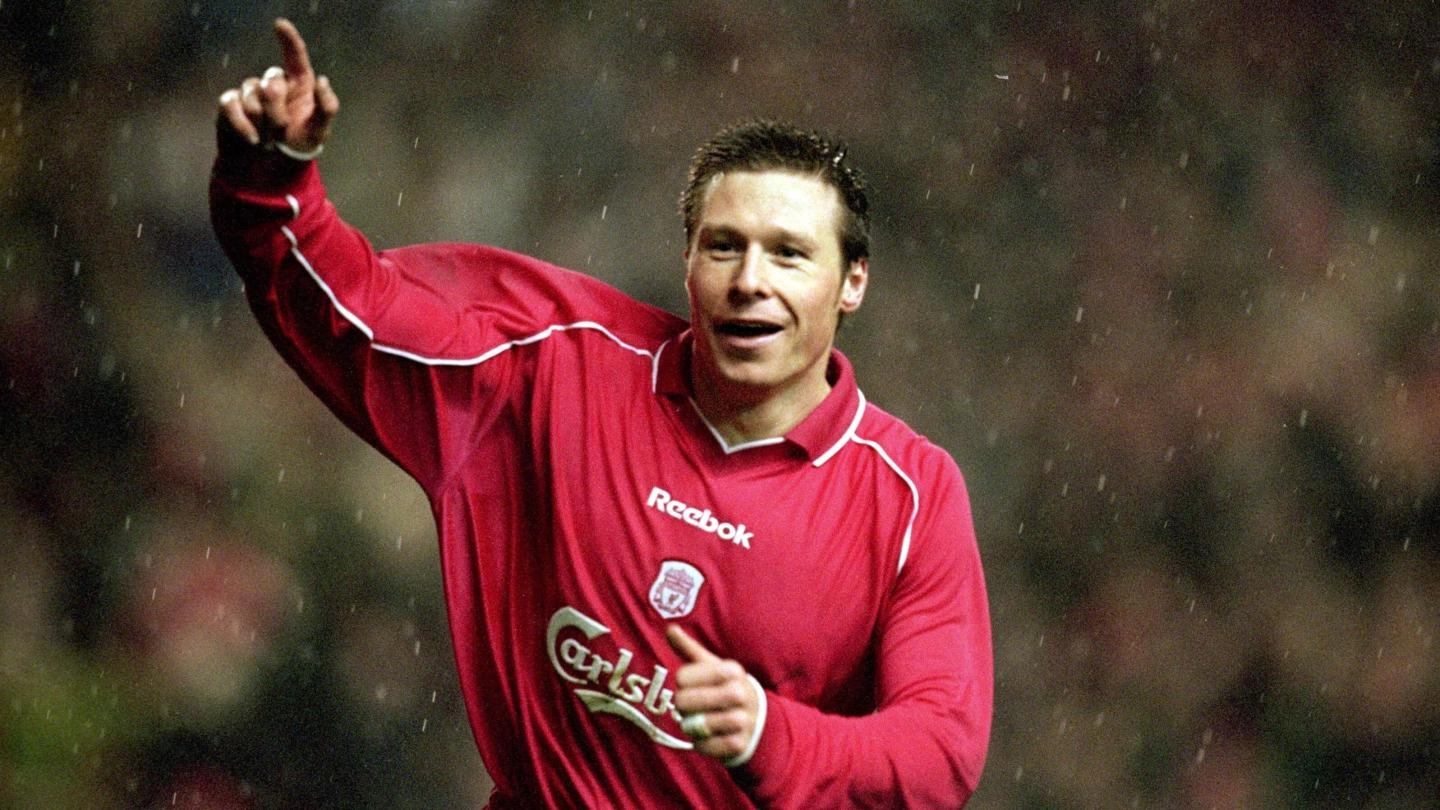
Perhaps the most talked-about transfer in his career came when he joined Liverpool F.C. in 2000. This move was controversial due to the intense rivalry between Liverpool and Everton. Despite the pressure, Nick Barmby handled the transition professionally. He contributed important goals during his stint, including memorable performances in domestic competitions. His adaptability allowed him to fit into Liverpool’s dynamic system under changing managerial styles.
Playing Style and Strengths on the Pitch
Nick Barmby wasn’t the tallest or the most physically imposing player, but what he lacked in size, he more than made up for in skill and intelligence. His dribbling ability was one of his standout traits. He had a knack for maneuvering through tight spaces, often leaving defenders off balance. This made him particularly effective in attacking transitions.
Another defining feature of Nick Barmby game was his versatility. He could operate as a winger on either flank, an attacking midfielder, or even in a more central role when required. This flexibility made him a valuable asset for any manager. He understood positional play deeply, which allowed him to adapt to different tactical setups seamlessly.
Nick Barmby also possessed a sharp footballing brain. His decision-making in the final third was often precise, whether it involved delivering a cross, taking a shot, or setting up a teammate. While he may not have been the most prolific goal scorer, his contributions were consistently meaningful. His work ethic and team-first mentality further enhanced his impact on the pitch.
International Career with England
Nick Barmby consistent club performances earned him recognition at the international level with England national football team. He made his debut in 1995 and went on to earn multiple caps over the years. Representing his country was a testament to his quality, especially during an era filled with talented English midfielders.
One of the highlights of his international career was being part of the squad for the 1998 FIFA World Cup. Although he didn’t play a central role in the tournament, his inclusion reflected the trust placed in him by the coaching staff. Competing on the world stage added valuable experience to his already impressive résumé.
Despite not being a regular starter for England, Nick Barmby remained a dependable squad member. His versatility made him a useful option in various situations. While his international career may not have reached legendary status, it was undoubtedly respectable and highlighted his consistency as a professional footballer.
Return to Roots: Hull City and Later Years
In 2004, Nick Barmby returned to his hometown club, Hull City A.F.C.. This move was more than just a transfer—it was a homecoming. At Hull City, he became a leader both on and off the pitch. His experience proved invaluable as the club aimed to climb the English football ladder.
Nick Barmby played a key role in Hull City’s rise through the divisions. His leadership and composure helped guide younger players, while his performances continued to influence games. Fans admired his loyalty and dedication, especially given his decision to return to his roots during the later stages of his career.
He eventually retired from professional football in 2012, bringing an end to a career that spanned nearly two decades. Unlike some players who fade into obscurity, Nick Barmby remained closely associated with Hull City, even taking on coaching and managerial responsibilities for a period.
Legacy and Impact on English Football
Nick Barmby career may not always be the first to come up in discussions about Premier League greats, but his impact shouldn’t be underestimated. He was the type of player every team needed—reliable, versatile, and consistently effective. His ability to adapt to different teams and systems made him a valuable asset throughout his career.
One of the most notable aspects of Nick Barmby legacy is his professionalism. Whether playing for a top club like Liverpool or contributing to Hull City’s rise, he maintained the same level of commitment. This consistency earned him respect from teammates, managers, and fans alike.
In many ways, Nick Barmby represents a category of footballers who are often overlooked but are essential to a team’s success. His career serves as a reminder that football isn’t just about flashy headlines—it’s also about dedication, intelligence, and the ability to deliver when it matters.
YOU MAY ALSO READ
About the Author