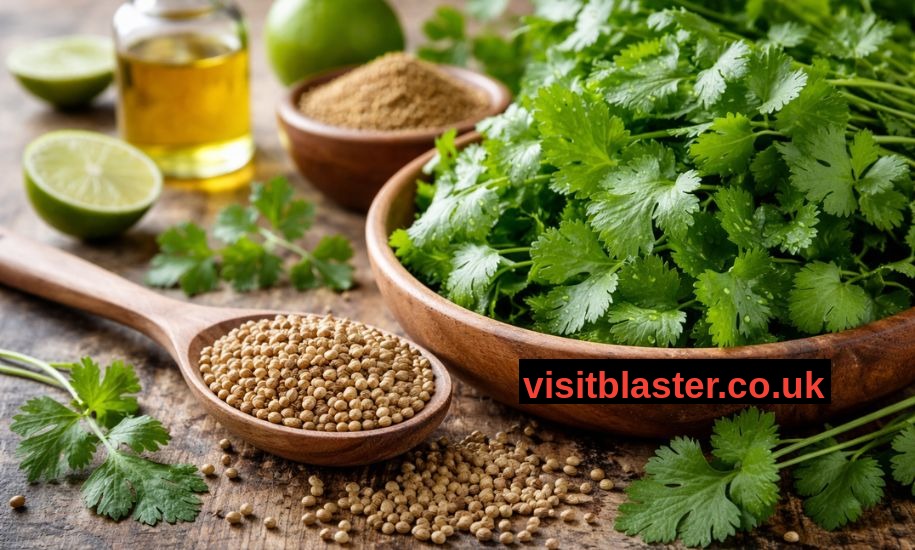

Koriandri, more commonly known around the world as coriander, is one of those ingredients that quietly plays a powerful role in kitchens, medicine cabinets, and even cultural traditions. Whether you recognize it as fresh green leaves (often called cilantro) or dried seeds, this herb has a rich history and a wide range of uses that go far beyond simple seasoning.
In this article, we’ll explore everything you need to know about Koriandri—from its origins and culinary uses to its health benefits and practical tips. The tone is casual, but the information is grounded in expert knowledge, so you’ll walk away with both inspiration and understanding.
What Is Koriandri?
Koriandri refers to the plant scientifically known as Coriander (Coriandrum sativum), a versatile herb used in both fresh and dried forms. The leaves are commonly called cilantro, while the seeds are referred to as coriander seeds. Despite coming from the same plant, they have very different flavors and uses.
The fresh leaves have a bright, citrusy, and slightly peppery taste. Some people love it, while others find it soapy due to genetic differences in taste perception. On the other hand, coriander seeds are warm, nutty, and slightly sweet, making them a staple in spice blends around the world.
This dual identity is what makes Koriandri so interesting. It bridges the gap between fresh herbs and dried spices, allowing it to fit into a wide variety of cuisines, from South Asian curries to Middle Eastern dishes and Latin American salsas.
The History and Cultural Importance of Koriandri
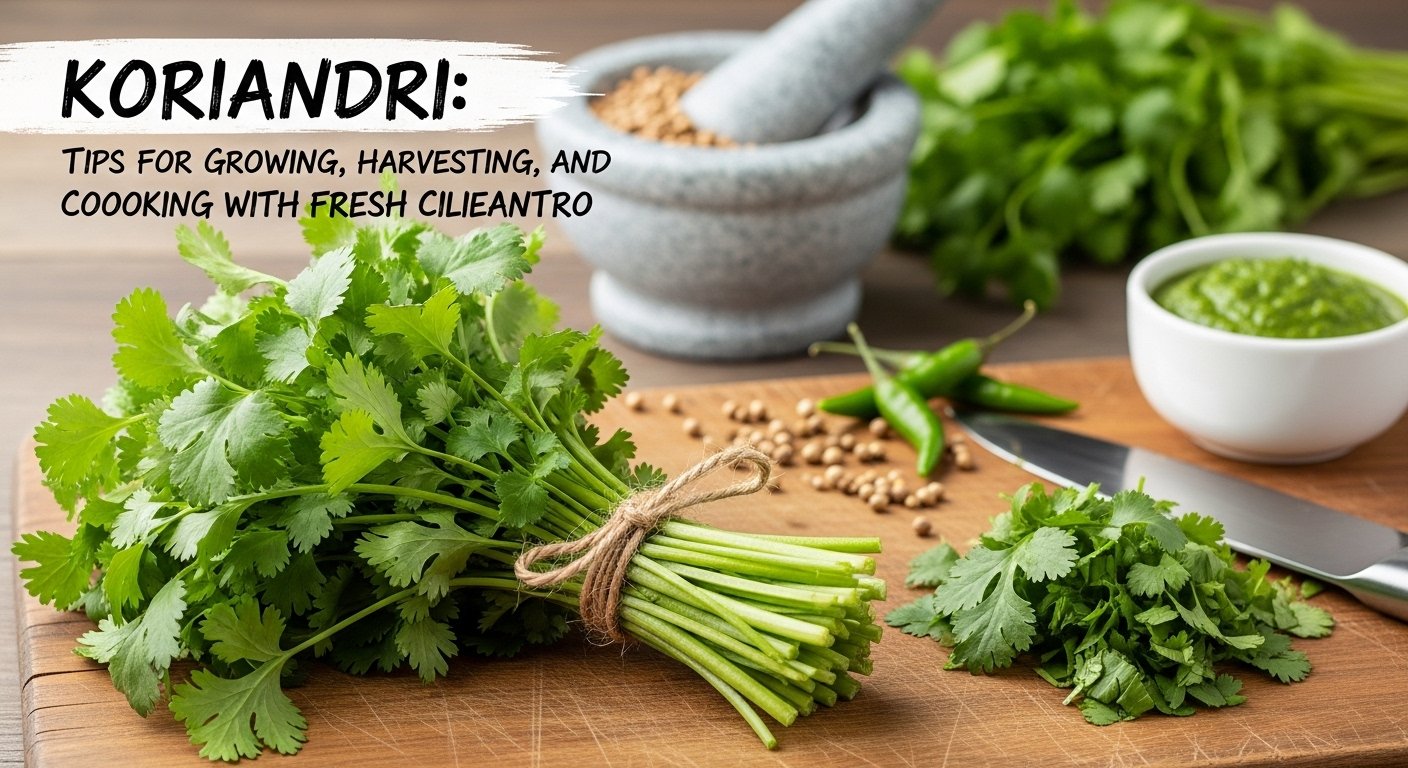
Koriandri has been around for thousands of years, making it one of the oldest known herbs used by humans. Its seeds were found in ancient Egyptian tombs, indicating its significance not just in cooking but also in rituals and preservation.
In ancient civilizations like Greece and Rome, coriander was used both as a spice and a medicinal herb. It was believed to aid digestion and even act as a natural fragrance. Over time, trade routes helped spread Koriandri across continents, embedding it into different culinary traditions.
In South Asia, particularly in Pakistan and India, Koriandri is a daily essential. Fresh coriander leaves are used as garnish, while ground seeds form the backbone of many spice mixes. This deep-rooted cultural connection is why the herb remains a household staple even today.
Culinary Uses of Koriandri
Koriandri is incredibly versatile in the kitchen, and its two main forms—leaves and seeds—serve different purposes. Understanding how to use each can completely transform your cooking.
Fresh coriander leaves are often added at the end of cooking to preserve their flavor. They’re commonly used in chutneys, salads, soups, and as a garnish for curries and rice dishes. Their bright flavor helps balance rich and spicy foods.
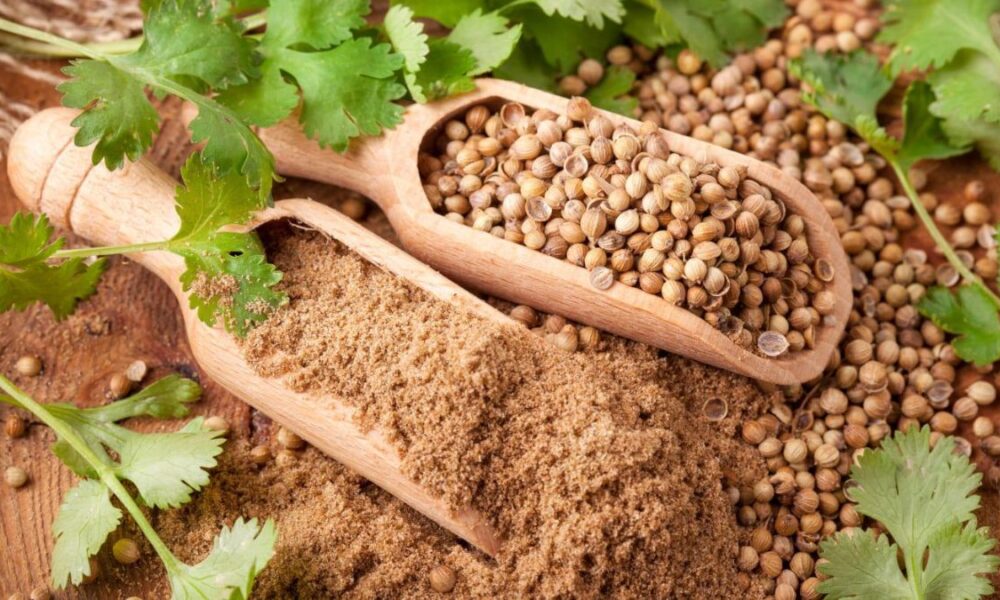
Coriander seeds, on the other hand, are usually toasted or ground. Toasting enhances their aroma and brings out a deeper, warmer flavor. Ground coriander is a key ingredient in spice blends like garam masala and curry powder.
The beauty of Koriandri lies in how it complements other ingredients. It pairs well with cumin, turmeric, garlic, and chili, creating complex and layered flavors that define many traditional dishes.
Health Benefits of Koriandri
Beyond its flavor, Koriandri is packed with health benefits that make it more than just a kitchen ingredient. It has been used in traditional medicine systems for centuries.
One of its most notable benefits is aiding digestion. Coriander seeds are known to help reduce bloating and improve gut health. Many people drink coriander-infused water to soothe digestive issues.
Koriandri is also rich in antioxidants, which help fight free radicals in the body. These compounds play a role in reducing inflammation and supporting overall health. The leaves, in particular, contain vitamins A, C, and K.
Another interesting benefit is its potential to help regulate blood sugar levels. Some studies suggest that coriander seeds may support insulin function, making them beneficial for people managing diabetes. While it’s not a cure, it can be a helpful addition to a balanced diet.
How to Grow and Store Koriandri
Growing Koriandri at home is surprisingly easy, even if you don’t have a large garden. It can thrive in pots, making it perfect for balconies or small outdoor spaces.
The plant prefers well-drained soil and moderate sunlight. It grows quickly, so you can start harvesting leaves within a few weeks. However, it’s important to note that coriander plants tend to bolt (flower quickly) in hot weather, which can affect the taste of the leaves.
When it comes to storage, fresh coriander leaves should be kept in the refrigerator. Wrapping them in a damp paper towel and placing them in a sealed container can help maintain freshness for longer.
Coriander seeds, on the other hand, have a much longer shelf life. Store them in an airtight container in a cool, dry place. For the best flavor, grind them just before use rather than buying pre-ground powder.
Common Mistakes When Using Koriandri
Even though Koriandri is easy to use, there are a few common mistakes that can affect the final result of your dish.
One of the biggest mistakes is overcooking fresh coriander leaves. Heat can quickly destroy their delicate flavor, so it’s best to add them at the end of cooking or use them raw.
Another mistake is confusing coriander with similar herbs like parsley. While they may look alike, their flavors are completely different. Using the wrong herb can change the entire taste of a dish.
Lastly, using stale coriander seeds can result in dull and lifeless flavors. Always check the aroma before using them—fresh seeds should have a strong, pleasant scent.
Why Koriandri Remains Popular Worldwide
Koriandri’s global popularity isn’t just about taste—it’s about adaptability. It fits seamlessly into different cuisines, dietary preferences, and cooking styles.
From street food vendors to high-end restaurants, Koriandri continues to be a favorite among chefs and home cooks alike. Its ability to enhance flavor without overpowering other ingredients makes it incredibly valuable.
Moreover, its health benefits and ease of use make it a practical choice for everyday cooking. Whether you’re making a simple salad or a complex curry, Koriandri adds that extra layer of freshness and depth.
Frequently Asked Questions (FAQ)
1. Is Koriandri the same as coriander?
Yes, Koriandri is simply another name for coriander. It can refer to both the leaves (cilantro) and the seeds of the plant.
2. Why do some people dislike the taste of coriander leaves?
This is due to genetic differences. Some people have a gene that makes coriander taste soapy rather than fresh and citrusy.
3. Can Koriandri help with digestion?
Yes, coriander seeds are known for their digestive properties and are often used in natural remedies for bloating and stomach discomfort.
4. How should I use coriander seeds in cooking?
You can toast them to enhance flavor and then grind them into a powder. They’re commonly used in spice blends and curries.
5. Can I grow Koriandri at home?
Absolutely. It’s easy to grow in pots with proper sunlight and watering, making it ideal for small spaces.
6. What’s the best way to store fresh coriander?
Keep it in the refrigerator wrapped in a damp paper towel inside a sealed container to maintain freshness.
Final Thoughts
Koriandri is much more than just a garnish or spice—it’s a cornerstone of global cuisine with a fascinating history and impressive health benefits. Its dual nature as both a fresh herb and a dried spice makes it uniquely versatile.
Whether you’re an experienced cook or just starting out, understanding how to use Koriandri properly can elevate your dishes and bring new life to your meals. It’s simple, accessible, and incredibly effective—qualities that make it a timeless ingredient in kitchens around the world.