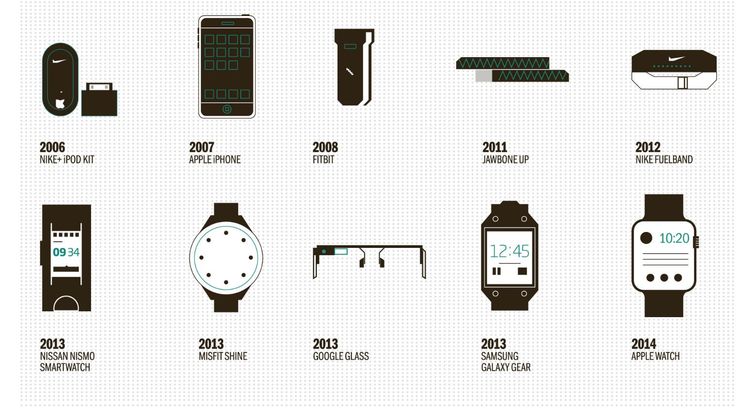

Introduction: Understanding Wearable History
Wearable history is far more fascinating than many people realize. When we hear the word “wearables,” most of us immediately think of smartwatches, fitness bands, or smart glasses. However, the concept of wearable technology goes back centuries, long before digital screens and wireless connectivity became part of everyday life. Humans have always been interested in carrying useful tools on their bodies to enhance abilities, track time, or improve health and performance.
What makes wearable history especially interesting is how it reflects human needs at different points in time. Early wearables were created for survival, navigation, or measurement, while modern wearables focus on convenience, data collection, and personal optimization. Each era added a new layer of innovation, slowly shaping the devices we use today.
By exploring wearable history, we gain a deeper understanding of how technology adapts to human behavior. Wearables are not just gadgets; they are extensions of ourselves. From mechanical timepieces to AI-powered health trackers, wearable history tells a story of creativity, necessity, and continuous evolution.
Early Wearables: The Foundations of Wearable History
The roots of wearable history can be traced back to ancient civilizations. One of the earliest known wearable devices was the sundial ring, worn by ancient Egyptians and Romans to tell time using the sun’s position. These devices were simple but revolutionary, allowing people to track time without relying on stationary tools.
Another major milestone in early wearable history was the invention of eyeglasses in the 13th century. Glasses transformed human capability by correcting vision, proving that wearable devices could directly improve quality of life. This innovation set a powerful precedent: wearables could enhance human limitations rather than just serve as accessories.
Clothing itself can also be viewed as part of wearable history. Specialized garments such as armor, ceremonial clothing, and weather-resistant attire were designed to protect, identify, or empower the wearer. These early wearables were not electronic, but they laid the conceptual groundwork for the idea that what we wear can serve functional and technological purposes.
Mechanical Wearables: Timepieces and Innovation
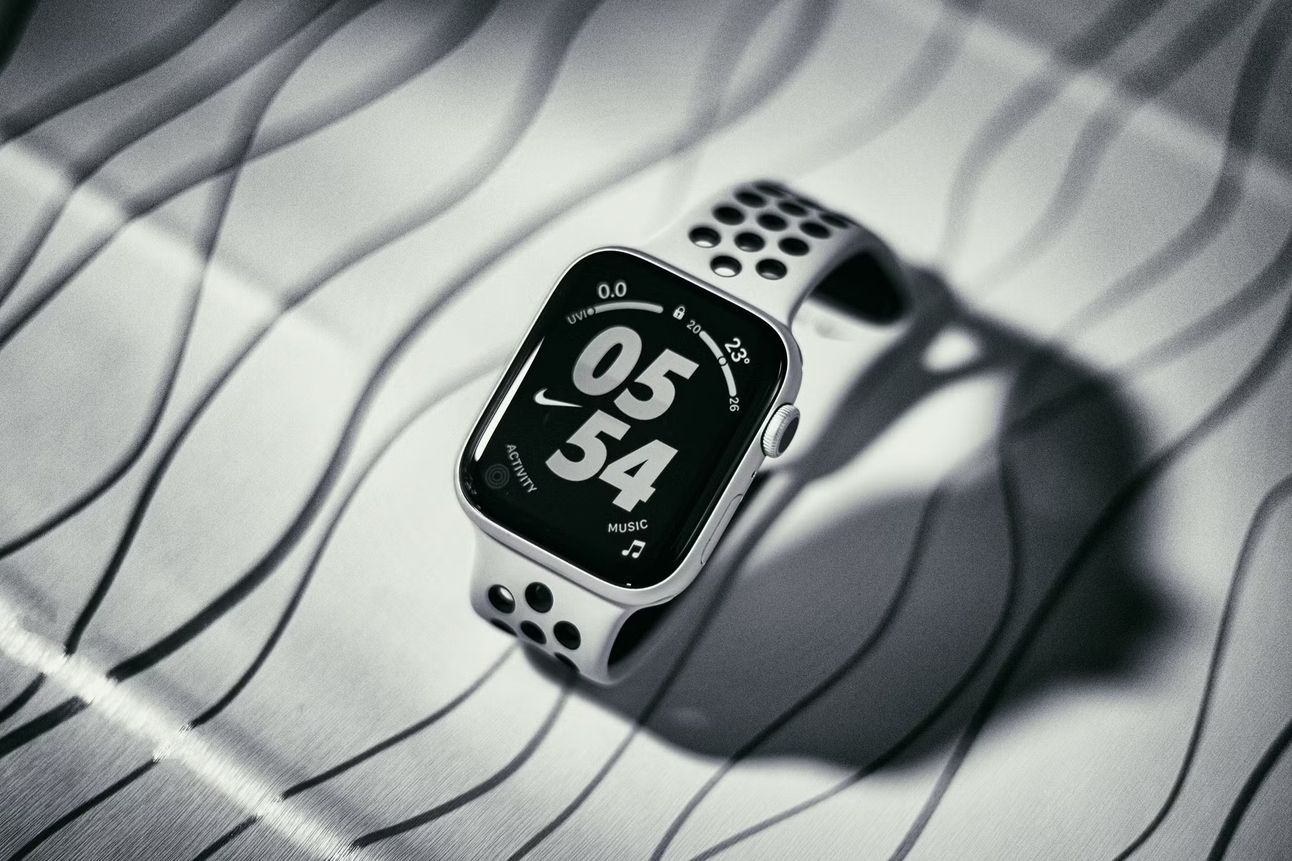
Mechanical watches marked a turning point in wearable history. The transition from pocket watches to wristwatches in the late 19th and early 20th centuries changed how people interacted with time. Wristwatches became essential tools, especially during wartime, when soldiers needed quick and reliable access to timekeeping.
These early wristwatches were engineering marvels. They combined precision mechanics with durability and portability, proving that complex technology could be worn comfortably. This era showed that wearables could balance form and function, a principle that still guides modern wearable design.
Mechanical wearables also introduced the idea of personal technology. A watch was no longer just a shared clock on a wall; it was a personal device tailored to the individual. This shift played a crucial role in shaping wearable history and paved the way for more personalized wearable technologies in the future.
The Rise of Electronic Wearables
Electronic components transformed wearable history dramatically in the mid-20th century. The invention of the electronic wristwatch in the 1960s made timekeeping more accurate and affordable. These watches were among the first wearable devices to incorporate electronic circuits, marking the beginning of modern wearable technology.
Calculators worn on the wrist soon followed, capturing public imagination in the 1970s and 1980s. Although bulky by today’s standards, they demonstrated that wearable devices could perform complex calculations on the go. This was a clear sign that wearables could move beyond basic functions.
Electronic wearables also began entering professional fields. Pilots, divers, and athletes started using specialized wearable instruments to measure altitude, depth, and performance metrics. This stage in wearable history showed how wearables could support specialized tasks and high-stakes environments.
Wearable History and Health Monitoring
Health-related wearables represent one of the most impactful chapters in wearable history. Early medical wearables included heart rate monitors used by athletes and medical professionals. These devices provided real-time data that was previously difficult or impossible to collect outside clinical settings.
As technology advanced, wearables began tracking more health metrics, such as steps, calories burned, and sleep patterns. This shift empowered individuals to take control of their own health. Instead of relying solely on doctors, users could monitor their bodies daily and make informed lifestyle choices.
This evolution also changed how society viewed health data. Wearable history shows a gradual movement from reactive healthcare to proactive wellness. Modern wearables encourage prevention, awareness, and long-term health management, making them valuable tools in everyday life.
The Smartwatch Revolution
Smartwatches represent a defining era in wearable history. Unlike traditional watches, smartwatches combine multiple functions into a single device. They can display notifications, track fitness, monitor health, and even support communication, all from the wrist.
What made smartwatches successful was their ability to integrate seamlessly with smartphones. Instead of replacing phones, they enhanced them by offering quick access to information. This relationship highlighted an important trend in wearable history: wearables work best when they complement existing technology.
Smartwatches also pushed design innovation. Manufacturers focused on comfort, customization, and aesthetics, recognizing that wearables must fit into daily life. This balance between technology and style is one of the key lessons learned throughout wearable history.
Fitness Trackers and Lifestyle Wearables
Fitness trackers played a major role in making wearables mainstream. These devices focused on simple, clear goals like step counting and activity tracking. Their simplicity made them accessible to a wide audience, not just tech enthusiasts.
Lifestyle wearables also expanded wearable history beyond fitness. Smart rings, posture correctors, and stress-monitoring bands addressed everyday problems. These devices showed that wearables could support mental well-being, productivity, and personal development.
The popularity of these devices demonstrated a shift in consumer mindset. Wearables were no longer seen as luxury gadgets but as practical tools for self-improvement. This change significantly influenced the direction of wearable history.
Wearable History in Fashion and Design
Fashion has always been intertwined with wearable history. Early skepticism about wearable technology often centered on appearance and comfort. Over time, designers and engineers learned to collaborate, creating wearables that look and feel natural.
Smart clothing emerged as a result of this collaboration. Garments with embedded sensors can now monitor body temperature, movement, and muscle activity. This integration blurred the line between technology and fashion, expanding the definition of wearables.
Design-focused wearables proved that technology does not have to be intrusive. Wearable history shows that successful devices respect personal style while delivering powerful functionality. This lesson continues to influence modern wearable development.
Challenges Faced Throughout Wearable History
Despite its progress, wearable history is filled with challenges. Battery life has always been a major concern, as wearable devices must be lightweight yet powerful. Balancing performance with comfort remains a constant struggle.
Privacy is another critical issue. As wearables collect sensitive personal data, concerns about data security and misuse have grown. Wearable history reflects ongoing debates about who owns this data and how it should be protected.
Adoption barriers have also shaped wearable history. Not every wearable innovation succeeds. Many devices fail due to poor usability, unclear benefits, or high costs. These failures, however, provide valuable lessons that guide future innovation.
The Future of Wearable History
The future of wearable history looks promising and ambitious. Advances in artificial intelligence, sensors, and materials will enable wearables to become even more intuitive. Future devices may predict health issues before symptoms appear, offering early intervention.
We are also likely to see wearables become less visible. Instead of standalone devices, technology may be embedded into everyday clothing, accessories, or even the human body. This evolution aligns with the long-term trend of making wearables more natural and seamless.
As wearable history continues to unfold, one thing remains clear: humans will always seek ways to enhance their capabilities. Wearables will continue to evolve as trusted companions, quietly supporting our lives while becoming an essential part of our personal technology ecosystem.
Conclusion: Why Wearable History Matters
Wearable history is not just about gadgets; it is about human progress. Each stage of development reflects our desire to measure, improve, and understand ourselves better. From ancient tools to modern smart devices, wearables have always served human needs.
Understanding wearable history helps us appreciate the technology we use today. It reminds us that innovation is gradual and built on past ideas. Every smartwatch or fitness tracker is the result of centuries of experimentation and creativity.
As we look ahead, wearable history continues to be written. The next generation of wearables will likely redefine how we interact with technology, health, and the world around us. By learning from the past, we can better shape the future of wearable technology.