

When it comes to analyzing New England Patriots vs Tampa Bay Buccaneers Match Player Stats, you are not just looking at numbers on a sheet. You are diving into a storyline packed with history, tactical adjustments, and elite-level performances. Every snap, throw, tackle, and yard gained tells part of a bigger story that football fans love to dissect.
This matchup carries extra weight because of its historical ties, especially with the legacy of Tom Brady bridging both franchises. Whenever the New England Patriots vs Tampa Bay Buccaneers Match Player Stats are discussed, comparisons inevitably surface. It is not just about who won; it is about how individual players performed under pressure.
In this detailed breakdown, we will examine quarterback efficiency, rushing impact, receiving production, defensive standouts, and key statistical trends that define the New England Patriots vs Tampa Bay Buccaneers Match Player Stats. Let’s break it down the way a seasoned analyst would.
Quarterback Performance and Passing Efficiency
The quarterback battle is always the headline when discussing New England Patriots vs Tampa Bay Buccaneers Match Player Stats. Passing yards, completion percentage, touchdown-to-interception ratio, and third-down conversions provide a clear snapshot of how the game unfolded through the air.
In most recent matchups, Tampa Bay’s quarterback play has leaned on vertical aggression. Deep passing attempts stretch the defense, forcing cornerbacks to play off coverage. This often results in higher yards per attempt, but it can also lead to tighter windows and potential turnovers. When analyzing the New England Patriots vs Tampa Bay Buccaneers Match Player Stats, yards per attempt and red-zone efficiency become critical metrics.
On the Patriots’ side, quarterback play traditionally emphasizes controlled tempo. Short to intermediate throws, quick reads, and smart situational awareness define their approach. When you examine New England Patriots vs Tampa Bay Buccaneers Match Player Stats, you will often notice differences in average depth of target. Tampa Bay may push the ball downfield more aggressively, while New England focuses on sustaining drives.
Completion percentage under pressure is another major indicator. In high-profile games like this, defensive fronts generate heat. Quarterbacks who maintain composure and accuracy under pressure typically swing the statistical edge in the New England Patriots vs Tampa Bay Buccaneers Match Player Stats.
Rushing Attack and Ground Game Impact
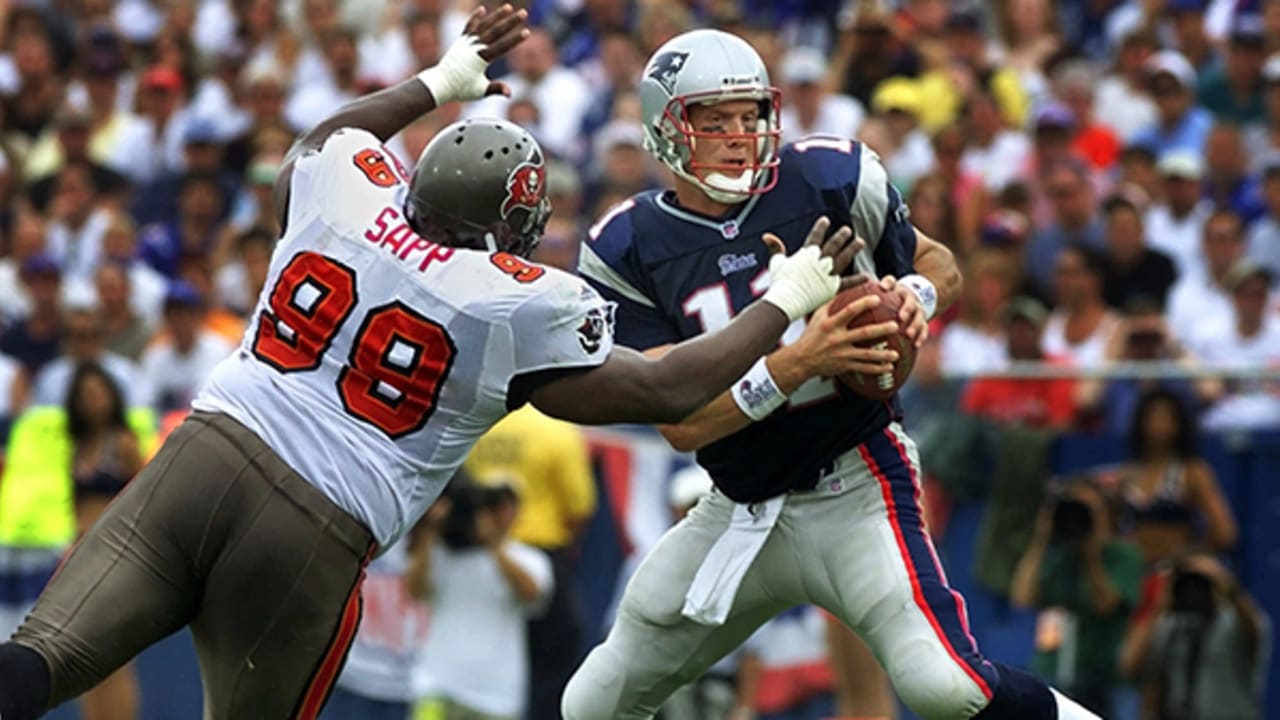
While passing dominates headlines, the rushing battle plays a decisive role in shaping New England Patriots vs Tampa Bay Buccaneers Match Player Stats. Time of possession, yards after contact, and success rate on early downs all hinge on effective ground production.
Tampa Bay has historically mixed power runs with zone concepts, aiming to soften defensive fronts before taking deep shots. In analyzing New England Patriots vs Tampa Bay Buccaneers Match Player Stats, you will often see that successful rushing attempts on first down lead to favorable second-and-short situations. That opens up play-action opportunities and keeps linebackers guessing.
The Patriots, meanwhile, tend to deploy multiple backs to maintain freshness and versatility. Rotational usage impacts the New England Patriots vs Tampa Bay Buccaneers Match Player Stats by distributing carries rather than relying on one workhorse runner. This approach can reduce explosive plays but improves consistency and ball security.
Red-zone rushing efficiency is especially critical. When reviewing New England Patriots vs Tampa Bay Buccaneers Match Player Stats, touchdowns per red-zone carry reveal which team converts drives into points rather than settling for field goals. Physicality at the goal line often determines the final statistical narrative.
Receiving Corps and Target Distribution
Wide receivers and tight ends heavily influence New England Patriots vs Tampa Bay Buccaneers Match Player Stats. Target share, yards after catch, contested catch rate, and explosive plays all reflect offensive design and execution.
Tampa Bay’s receiving unit often thrives on vertical speed and route precision. When breaking down New England Patriots vs Tampa Bay Buccaneers Match Player Stats, you may notice a concentration of targets among top-tier receivers. This can produce big yardage totals but may also make the offense predictable if defenses bracket coverage.
New England typically spreads the ball more evenly. Tight ends and slot receivers frequently serve as security blankets. In New England Patriots vs Tampa Bay Buccaneers Match Player Stats, this balanced distribution can show multiple players with moderate yardage rather than one dominant statistical leader.
Yards after catch is another important metric. In games where tackling is inconsistent, the New England Patriots vs Tampa Bay Buccaneers Match Player Stats often show inflated receiving numbers. Strong tackling units, however, limit short completions from turning into major gains.
Defensive Standouts and Impact Plays
Defense shapes the outcome just as much as offense in New England Patriots vs Tampa Bay Buccaneers Match Player Stats. Sacks, quarterback pressures, forced fumbles, and interceptions are often game-changing elements.
Tampa Bay’s defensive front has frequently emphasized speed off the edge. In the New England Patriots vs Tampa Bay Buccaneers Match Player Stats, sack totals and hurry rates reveal whether that strategy disrupted the opposing quarterback’s rhythm. Even if sack numbers are modest, consistent pressure can lower completion percentages.
The Patriots’ defense traditionally focuses on situational intelligence. Third-down stops, red-zone stands, and disguised coverages often appear prominently in New England Patriots vs Tampa Bay Buccaneers Match Player Stats. Interceptions in key moments can dramatically swing both momentum and statistical comparisons.
Turnover differential is perhaps the most decisive defensive stat. When reviewing New England Patriots vs Tampa Bay Buccaneers Match Player Stats, teams with a positive turnover margin typically control field position and scoring opportunities.
Special Teams and Hidden Yardage
Special teams often go unnoticed until something goes wrong. However, in a close contest, the New England Patriots vs Tampa Bay Buccaneers Match Player Stats are heavily influenced by field position and kicking efficiency.
Punt return averages and kickoff return yardage impact starting field position. When analyzing New England Patriots vs Tampa Bay Buccaneers Match Player Stats, drives beginning near midfield naturally require fewer plays to score.
Field goal accuracy is another underappreciated factor. In tight matchups, missed kicks alter statistical summaries. A reliable kicker can quietly contribute double-digit points, which show up clearly in New England Patriots vs Tampa Bay Buccaneers Match Player Stats.
Net punting average also matters. Flipping the field forces longer drives, increasing the probability of defensive stops. These subtleties often separate evenly matched teams.
Statistical Trends and Game Flow Patterns
Beyond individual categories, broader trends define the New England Patriots vs Tampa Bay Buccaneers Match Player Stats. Time of possession often reflects which team controlled tempo. Longer sustained drives typically correlate with defensive fatigue on the opposing side.
Third-down conversion rate is another major trend. In many New England Patriots vs Tampa Bay Buccaneers Match Player Stats breakdowns, the team that converts over 45 percent of third downs tends to dictate rhythm and maintain scoring pressure.
Penalty yardage also shapes outcomes. Costly defensive pass interference calls or holding penalties can inflate yardage totals. When reviewing New England Patriots vs Tampa Bay Buccaneers Match Player Stats, analysts must separate earned production from penalty-assisted gains.
Finally, explosive plays—defined as gains of 20 or more yards—provide insight into offensive efficiency. A team with fewer total plays but more explosive gains may still dominate the New England Patriots vs Tampa Bay Buccaneers Match Player Stats in scoring efficiency.
Historical Context Within the NFL
To truly understand New England Patriots vs Tampa Bay Buccaneers Match Player Stats, you must view them within the broader landscape of the National Football League. Both franchises have experienced championship success, though through different eras and roster constructions.
The Patriots built a dynasty around disciplined systems and strategic adaptability. Tampa Bay, on the other hand, has seen periods of explosive offensive production paired with opportunistic defense. When comparing New England Patriots vs Tampa Bay Buccaneers Match Player Stats, stylistic differences often stand out more than raw totals.
In the modern NFL, statistical inflation is common due to pass-heavy schemes. Therefore, when reviewing New England Patriots vs Tampa Bay Buccaneers Match Player Stats, context matters. A 300-yard passing game today does not carry the same weight it did two decades ago. Efficiency metrics now provide deeper insight than volume alone.
Final Thoughts on New England Patriots vs Tampa Bay Buccaneers Match Player Stats
At the end of the day, New England Patriots vs Tampa Bay Buccaneers Match Player Stats reveal more than just a winner and loser. They expose strategic philosophies, player execution, and situational mastery. Every yard gained and every defensive stop adds another layer to the story.
Quarterback efficiency, rushing consistency, receiving distribution, defensive pressure, and special teams precision all contribute to the statistical blueprint. When you carefully examine New England Patriots vs Tampa Bay Buccaneers Match Player Stats, patterns emerge that explain momentum swings and scoring bursts.
For serious fans and analysts, these numbers are not just trivia. They are the foundation for understanding how elite teams compete. The next time these franchises meet, expect the New England Patriots vs Tampa Bay Buccaneers Match Player Stats to once again fuel debates, comparisons, and expert-level breakdowns long after the final whistle.