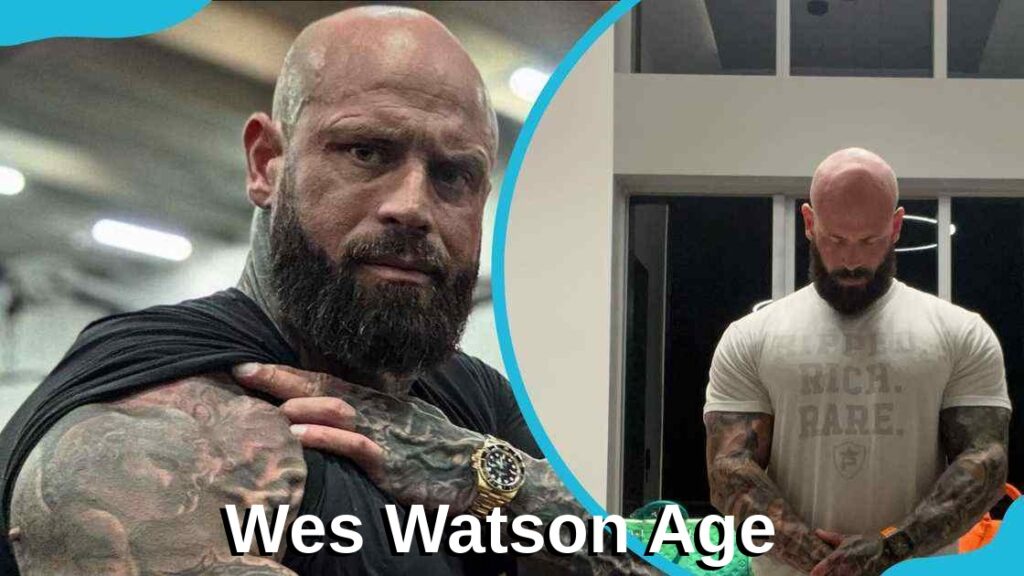

Understanding Why Wes Watson Age Matters to His Audience
When people search for Wes Watson age, they’re usually not just looking for a number. What they really want to understand is how someone can go through extreme life experiences, come out disciplined, and build a powerful personal brand later in life. Age, in Wes Watson’s case, represents lived experience, mistakes, hard lessons, and a level of mental toughness that simply can’t be faked. His story hits differently because it isn’t about overnight success or teenage fame.
From an expert perspective, age is one of the most important context points in motivational and fitness culture. It tells us how long someone has had to refine habits, sharpen discipline, and develop a worldview. Wes Watson Age presence feels authoritative precisely because he speaks from years of lived reality, not theory. His message resonates with people who are tired of shallow motivation and want something grounded in real-world grit.
Another reason age matters here is relatability. Many of Wes Watson Age followers are adults who feel like they’ve “lost time” or started late. Seeing someone who rebuilt himself well into adulthood creates hope. His age symbolizes proof that reinvention isn’t limited to your twenties, and that’s a powerful psychological trigger for long-term engagement and trust.
Wes Watson’s Early Life and How Age Shaped His Foundations

To understand Wes Watson age today, you have to look at how his early years shaped him. Like many people who later develop extreme discipline, his youth wasn’t defined by comfort or ease. Those early stages of life played a major role in forming his mental framework, even before he consciously realized it. Age here represents the accumulation of raw experiences that later became fuel.
In his younger years, Wes was exposed to environments that demanded toughness and survival instincts. These experiences didn’t immediately translate into success, but they planted seeds. From a developmental standpoint, this is important. Psychologically, early adversity often forces people to mature faster, but without guidance, that maturity can go in destructive directions before it finds structure.
As he grew older, those same traits began to evolve. What once showed up as aggression or recklessness eventually transformed into discipline and focus. This is where age becomes an advantage. Time allowed Wes Watson Age to reinterpret his past, extract lessons from it, and apply those lessons in a more productive way. That kind of growth only happens when someone has enough years behind them to see patterns clearly.
Prison, Personal Reinvention, and the Turning Point of Age
One of the most defining chapters in discussions about Wes Watson age is the period of his incarceration. This wasn’t just a phase; it was a turning point that redefined how he viewed time itself. In an environment where every day is structured and consequences are immediate, age takes on a completely different meaning. Time stops being abstract and becomes painfully real.
During this period, Wes didn’t waste years waiting for change. Instead, he used time as a tool. As he aged inside that system, he developed routines, physical discipline, and a mindset focused on self-mastery. From an expert lens, this is a textbook example of cognitive reframing. Instead of seeing age as something being taken from him, he treated each year as an investment in his future identity.
What’s especially compelling is how this phase accelerated his growth. Many people drift through their twenties and thirties without direction. Wes Watson Age by contrast, compressed decades of self-development into a shorter, more intense timeline. When people ask about his age now, they’re often surprised by how much he’s accomplished relative to the years since his release. That’s not accidental; it’s the result of deliberate use of time.
Wes Watson Age and His Physical Transformation Over Time
Fitness is one of the most visible parts of Wes Watson Age brand, and age plays a critical role here as well. Building and maintaining a powerful physique over time requires more than motivation. It requires understanding recovery, consistency, and discipline—things that tend to improve with age, not decline. His physical presence reflects years of structured effort, not youthful shortcuts.
From a physiological standpoint, training as you get older demands smarter systems. Wes Watson Age routines emphasize repetition, fundamentals, and mental engagement rather than flashy trends. This is exactly what experienced athletes and trainers recommend for longevity. His age supports credibility because he’s not relying on beginner gains or short-term intensity; he’s showcasing sustainability.
What really stands out is how his body mirrors his mindset. Each year added has reinforced his identity rather than diluted it. Instead of slowing down, his age has sharpened his focus. That’s why so many people in their thirties, forties, and beyond look at Wes Watson Age and think, “If he can do this now, so can I.” His age becomes proof that physical dominance isn’t reserved for the young—it’s earned through discipline over time.
How Wes Watson Age Influences His Business and Authority
Wes Watson age also plays a major role in how people perceive his authority as a coach, speaker, and entrepreneur. In industries flooded with young influencers, age becomes a differentiator. It signals experience, resilience, and perspective. When he speaks about discipline, structure, and accountability, it doesn’t sound rehearsed—it sounds lived.
From a branding standpoint, this is incredibly powerful. His age positions him as someone who has tested his philosophy under pressure. He’s not just selling motivation; he’s offering a framework that’s been stress-tested over years of hardship. That level of credibility is hard to manufacture and easy to recognize, especially for mature audiences.
As he continues to age, his influence is likely to deepen rather than fade. Time adds layers to his message, making it more nuanced and refined. Instead of chasing trends, he reinforces fundamentals. That’s why discussions around Wes Watson age are less about curiosity and more about respect. His years amplify his voice, giving his message weight that resonates across generations.
The Bigger Picture: What Wes Watson Age Really Represents
At its core, Wes Watson age isn’t about a birthdate. It represents transformation, accountability, and the disciplined use of time. Every phase of his life has added something to his identity, whether through struggle, structure, or success. Age, in his story, is a record of earned wisdom rather than a limitation.
For people watching from the outside, his journey reframes how we think about time. It challenges the idea that it’s ever “too late” to change. Instead, it suggests that the right mindset can turn any age into a starting point. That’s a deeply empowering message, especially in a world obsessed with early success.
Ultimately, Wes Watson age is a symbol of earned authority. It reflects years of pressure, reflection, and disciplined action. Whether someone follows him for fitness, mindset, or motivation, one thing is clear: his age doesn’t slow his impact—it strengthens it. And that’s exactly why so many people keep searching, listening, and learning from his story.